



- Prima Notizia 24
- from our corrispondent Bangkok - Mercoledì 8 Luglio 2026, 17:50
Thailand and Investment Prospects in a Complex Landscape
Thailand is currently experiencing a difficult economic and financial period. In the words of Davide Bellino, General Manager of DIACRON, the positive and negative factors are weighed against each other.
Condividi questo articolo


di Francesco Tortora
Thailand is experiencing a rather complex and difficult economic and financial period.
Over the past few years, things have seemingly taken on the appearance of stagnation.
Meanwhile, other Asian countries, including those within ASEAN, to which Thailand belongs, are experiencing a certain upswing, like Vietnam, or are maintaining their positions of particular international importance, like Indonesia.
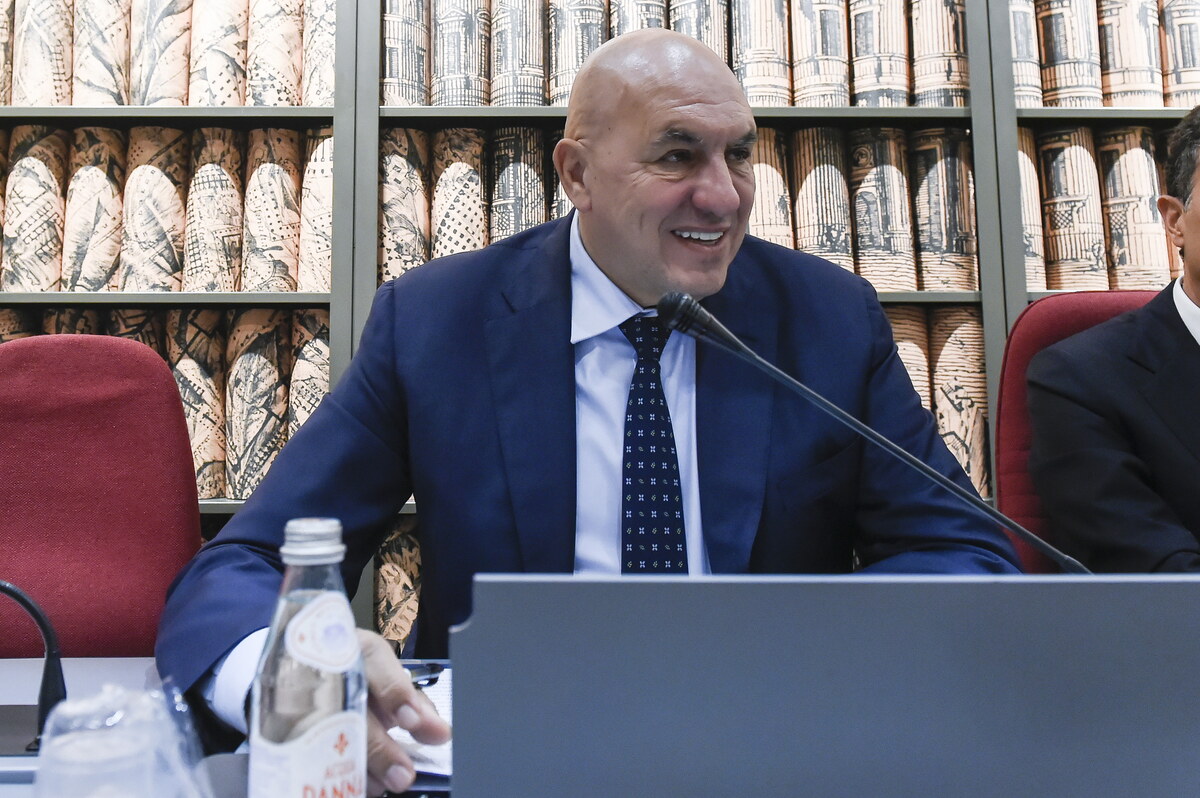
We discuss this with Davide Bellino, General Manager of Diacron Thailand, responsible for the Bangkok office and coordinating activities in Southeast Asia. He specializes in business internationalization, company formation, regulatory compliance, and administrative and tax management.
Previously, you held similar roles in the Middle East and India at the Diacron Group.
Can you explain what tasks Diacron performs in the countries where it is based, and specifically in Thailand, where you currently live and work?
“Diacron supports companies in their internationalization processes, from entering foreign markets to local operational management, with a comprehensive offering of corporate, accounting, and tax services. It supports clients in incorporating and reorganizing their businesses abroad, ensuring compliance with local regulations. It outsources accounting services, from bookkeeping to reporting, and contributes to process optimization through periodic analyses. It also offers both national and international tax consulting, supporting companies in planning and managing cross-border compliance and issues.
In Thailand, Diacron manages accounting services, financial reporting, financial reviews, treasury, and personnel administration. It supports clients in tax consulting and corporate services, from the incorporation of legal entities, including assistance in obtaining BOI promotion and a Foreign Business License, as well as expatriate services and work permit management. It also handles market entry and feasibility studies, offers advice on local regulations, and coordinates multi-jurisdiction operations in Southeast Asia”.
The Thai economy is currently stagnating, with growth indicators stagnating, given the array of negative factors affecting international markets driven by the Middle East conflict and the resulting increase in oil prices, which—in turn—impacts the costs of transportation, goods, and food, etc. What advice can you give to potential investors who are now considering starting a business in Thailand?
“Thailand still offers potentially positive prospects for foreign investors for various reasons, including the cost of local labor, the level of education, and, above all, the country's extensive infrastructure network. This is particularly important when compared to the current state of infrastructure in neighboring countries, including emerging economies like Vietnam.
An important and particularly impactful factor affecting the decisions of investors intending to invest in Thailand is that local political will is often reshaped as the Thai political landscape evolves. The combined effect of a political landscape often in stark contrast to the previous one and the general lack of real medium- to long-term planning leads to a nebulous, confusing, and often contradictory panorama.
However, it must be considered that—even today—Thailand is a hub for a large number of internationally renowned foreign businesses, such as the automotive sector, where well-known Japanese car manufacturers have long established their own production facilities, a trend later followed by Western brands. In this sector, centered in the Eastern Economic Corridor between the provinces of Chonburi and Rayong, the Italian presence has become entrenched and diversified over time, encompassing the automotive and motorcycle sectors, with braking systems, tires, and rubber components; the metalworking and steelmaking industries; packaging and related process technologies; and a growing electronics sector, including semiconductor testing. These include both large groups with a long-standing and consolidated presence, with workforces in some cases exceeding a thousand, as well as small and medium-sized enterprises that have arrived on the scene to serve their existing clients locally and oversee their production chains. Precisely because of its geostrategic position, Thailand enjoys a particularly sought-after role within the ASEAN region, but also in the eyes of foreign investors from outside the area”.
RIPRODUZIONE RISERVATA © Copyright Prima Notizia 24